Nature-Based Preschool in West LA
Where children ages 2-6 learn the way they’re wired to: outdoors, hands-on, and in their own time. A Reggio-Emilia Jeiwsh preschool rooted in our beautiful, nature-inclusive West LA campus, our gardens, and the natural wonders of the greater Los Angeles area.
Children move toward what calls to them — the bug, the bark, the puddle, the question. We follow their lead and build the day around it.
Climbing, balancing, trying again. Our teachers help children understand consequences rather than fear them — so risk becomes a teacher, not a threat.
Children who get to try, fail, and try again build the things no worksheet teaches: resilience, initiative, problem-solving, and grit.
Time outdoors stretches a child’s comfort zone and grows their competence. Self-confidence becomes the byproduct of doing real things in a real world.
Our nature-based preschool is built for children ages 2 to 6 — the years when curiosity and the outdoors should be inseparable. The program lives at our West LA campus and extends outward: into our gardens, into the parks and trails of Los Angeles, and twice a year into the wilderness with the whole Barefoot family alongside.
But nature at Barefoot isn’t a weekly outing or a special event. It’s woven into the texture of every day. Children plant, harvest, and cook from what they’ve grown. They feed the chickens and gather the morning’s eggs. They water, observe, draw, ask. The campus itself is half garden, half classroom — and the line between the two is intentionally blurry.
It’s all grounded in our Reggio-Emilia philosophy — we treat children as capable, curious, full people, and we let their questions shape the day — and our Jewish heritage, which teaches us that the natural world is something to learn from, partner with, and protect. Come check out our nature-based preschool in West LA!
A few times each session, we take the program into the wilder edges of Los Angeles for a Forest School Day.
Children explore native plants and learn their practical uses. They follow tracks and identify the animals that made them. They forage, build, sketch, and observe.
Inspired by the European Forest Kindergarten tradition, our forest days give children long, unhurried stretches of time in nature with skilled teachers — and the kind of comfort outdoors that only comes from being there often.
Children Gain:
Time outside, with the right teachers, grows children in ways a classroom alone can’t.
A working knowledge of native plants and their uses — botany, nutrition, food science, life sciences.
Twice a year, the whole Barefoot family — kids, parents, siblings, teachers — packs up and heads into nature together for our semi-annual family campout. It’s a tradition our community has built and protected, and it’s become one of the most powerful expressions of what Barefoot is: a school, yes, and also a place where families are known by name and held by something larger than the school day.
Days are spent hiking, swimming, playing, cooking together, and slowing down. Evenings are firelight, music, lanterns, and the kind of conversation that only happens when phones are away and kids are tired-happy. Parents who came in as strangers leave as something closer to friends. Children get to see their teachers and classmates in a new light — and themselves, too.
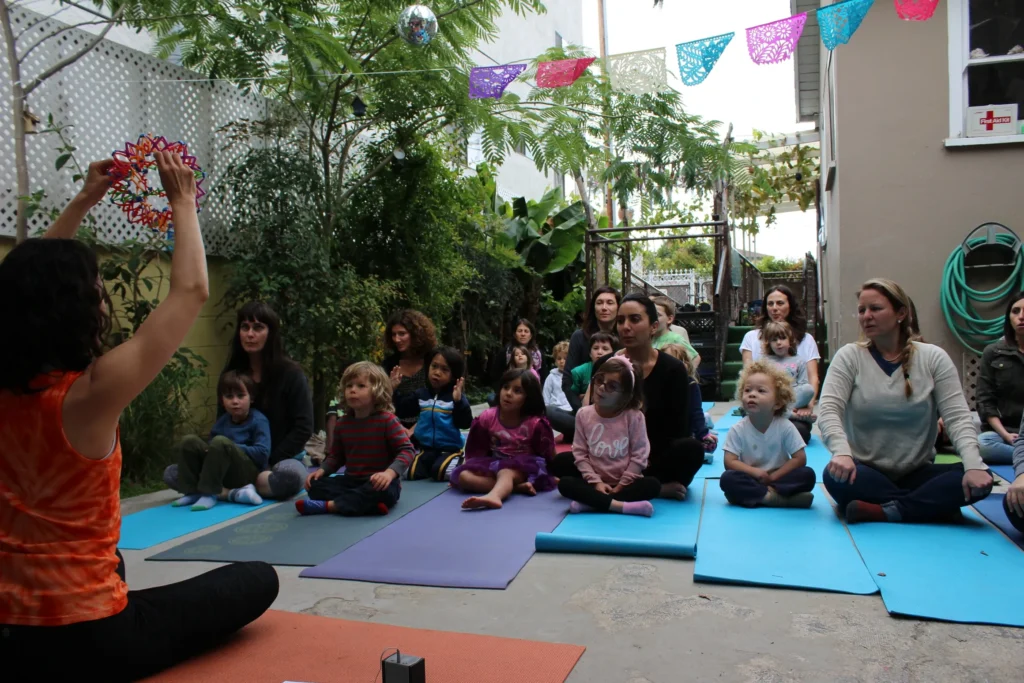
Step onto our campus and you’ll see why we call ourselves a nature-based preschool rather than an indoor school with outdoor time. Our gardens grow real food — vegetables, fruit trees, herbs, flowers — and the children are the gardeners. They plant the seeds, water the beds, watch what comes up, and bring the harvest into the kitchen.
Animals are part of daily life too. Our chickens are looked after by the children — fed in the morning, checked on through the day, eggs collected and counted. Our resident bearded lizard is a quiet teacher all his own. Children learn what it means to be responsible for a creature that depends on them: gentle hands, patient observation, real consequences for forgetting.
Most of the day happens outdoors. Snack and lunch in the backyard, art under the trees, story circles in the shade. When children come inside, they bring the day with them — the petal in a pocket, the question about the worm, the egg still warm.
Nature and Jewish tradition aren’t two separate threads at Barefoot — they’re the same thread. Jewish teaching has always pointed toward the natural world as a place of wonder, responsibility, and ritual. Our days reflect that.
On Tu B’Shvat, the New Year of the Trees, the children plant, taste the seven species, and learn why trees have a birthday in our tradition. Throughout the year we lean on Bal Tashchit — the Jewish principle of “do not waste” — as a guiding ethic. It shows up in our recycled-art projects, in how we use what we grow, in the conversations we have about food, water, and resources. Stewardship of the land isn’t a lesson plan; it’s a daily practice.
Children pick up the Hebrew words for the trees, the fruits, the blessings before food. They come to feel — without ever being told — that their tradition has a deep, beautiful relationship with the natural world. That feeling is one of the quiet gifts Barefoot tries to send home with every child.
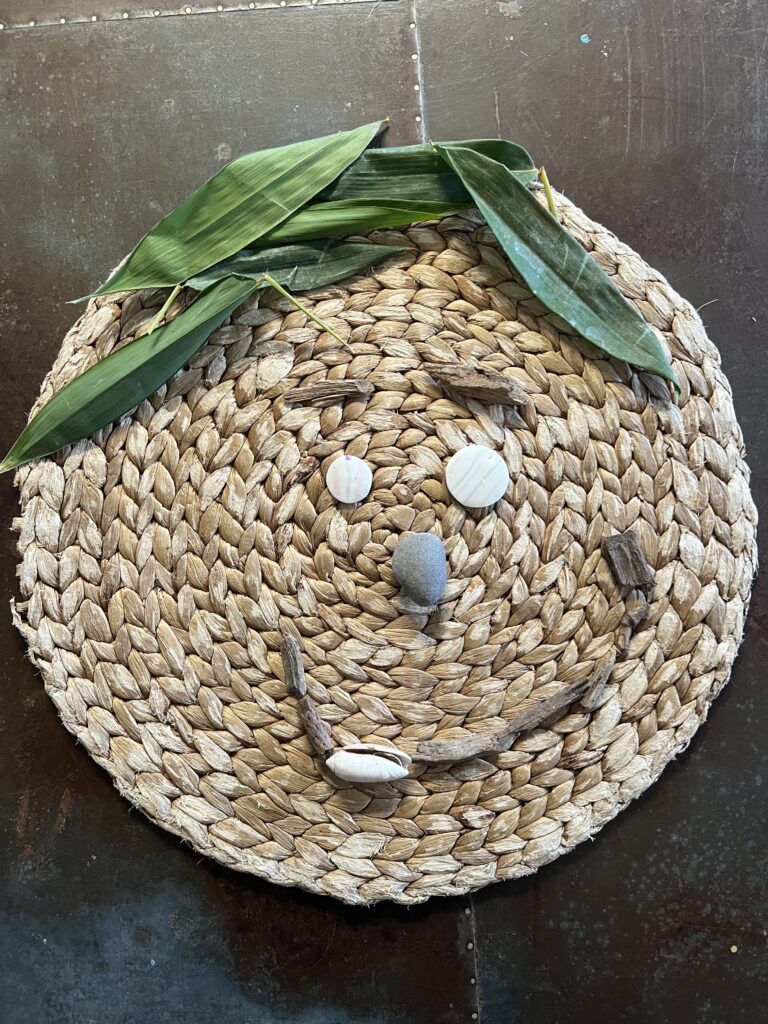
Most of the day is spent outdoors — in the garden, with the animals, at the art table under the trees, on the patio for snack and story. Children move between guided activities and child-led exploration, with a rhythm of outdoor time, meals, rest, and project work. Indoors is a soft, calm landing place for quieter moments and bigger weather days, not where most of the learning happens.
Safety isn’t an afterthought to an outdoor program — it’s the foundation that makes the rest possible. Every outing is planned with clear protocols for the site, the weather, and the age group. Children learn to assess risk for themselves over time, with teachers nearby — which is part of how confidence and good judgment are built.
We’re a Los Angeles school, so we plan for LA weather — sun-shaded outdoor spaces in the heat, and clear protocols for poor air quality during fire season. Rain, though, isn’t a reason to come inside. We encourage children to play in it, and we ask parents to send them with proper rain gear so they can get the full multi-sensory joy of puddles, mud, and a wet world. We only move indoors when conditions are genuinely unsafe of uncomfortable— and on those days, the indoor space becomes the home base while the spirit of the program — hands-on, curious, project-driven — continues.
Not quite — and that’s intentional. We’re a nature-based preschool, which means our campus and our outdoor program work together. Children spend significant time outdoors every day — in our gardens, with our animals, on field trips, and on dedicated Forest School Days. But they also have a stable indoor home base with the warmth, structure, and continuity that young children thrive on.
We provide a kosher morning snack, a kosher lunch for children who purchase the monthly lunch program, and a kosher afternoon snack. We strive to provide organic, healthy food for the children.
The semi-annual campouts are family events — parents and siblings are part of the experience. They’re a beloved tradition rather than a school requirement; families opt in. For families new to camping, the community is generous: gear is shared, plans are clear, and the longtime campout families make sure no one feels lost.
Applications are provided upon request, after touring our preschool. We accept applications on a rolling basis. Children may start in the middle of the year, once they turn two-years old.